









On October 15, YANTIAN celebrated the launch of ZIM Falcon Service (ZFS) with a joint customer forum co-hosted by YANTIAN and ZIM. The event focused on the ZFS and port-shipping collaboration. Through a service presentation, insights into port operations and customer discussions, participants explored new opportunities for cooperation in the South American market. The event marked a closer connection between South China and key ports on the east coast of South America, offering customers a more efficient and reliable supply chain option.
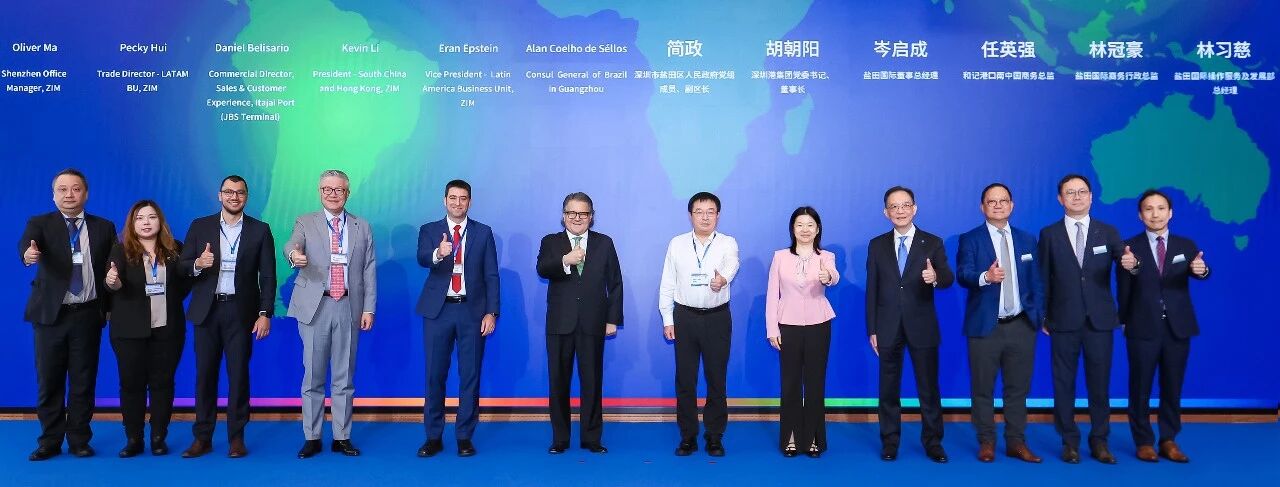
Distinguished guests included Jian Zheng, Deputy Mayor of the People's Government of Yantian District; Alan Coelho de Séllos, Consul General of Brazil in Guangzhou; Hu Zhaoyang, Chairman of Shenzhen Port Group; Eran Epstein, Vice President of Latin America Business Unit of ZIM; Kevin Li, President of South China and Hong Kong of ZIM; Daniel Belisario, Commercial Director Sales & Customer Experience of Itajai Port (JBS Terminal); and Lawrence Shum, Managing Director of Hutchison Ports YANTIAN. Around 100 representatives from government agencies in China and overseas, shipping lines, cargo owners, freight forwarders, and logistics companies gathered to witness this milestone, adding a new chapter to the development of trans-Pacific trade.
 Expanding into Brazil: YANTIAN Extends Its Global Network into South America
Brazil and the wider South American region offer significant growth potential. From January to August 2026, bilateral merchandise trade between China and Brazil grew by 19% year on year. Trade is also shifting beyond traditional bulk commodities towards higher-value-added sectors, further strengthening industrial complementarity between the two countries.
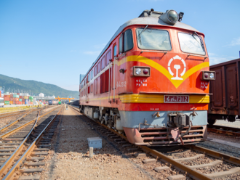
As one of the world's few mega deep-water container ports, YANTIAN has nearly 100 international shipping services every week, including 53 connecting APEC member economies. Since the beginning of 2026, the port has added 14 international services, further expanding its global connectivity. YANTIAN's rail-sea service network also extends this connectivity deep into China's hinterland. Rail services consolidate cargo from inland regions and transport it efficiently to YANTIAN, where it connects seamlessly with international shipping services. By integrating rail transport, port transshipment, and ocean shipping, YANTIAN provides an efficient, end-to-end logistics corridor that helps more intelligent products made in China reach global markets, including South America, with greater speed and convenience.
ZIM currently operates 10 regular weekly services calling at YANTIAN, including the ZEX express service, which reaches USW in just 12.5 days. YANTIAN also offers six weekly services to Latin America, connecting key ports in Mexico, Brazil, Argentina, and other markets across the region.
Trade figures underscore the growing ties between China and South America. From January to September 2026, export volume from YANTIAN to South America rose by 22.7% year on year, reflecting the deepening integration of industrial chains between the two regions. As another premium service linking YANTIAN directly with the east coast of South America, ZFS offers competitive transit times to the key southern Brazilian states such as Rio Grande do Sul, Santa Catarina, and Paraná. With YANTIAN as its last port of call in Asia, the service reaches Rio Grande in just 24 days and Itajai in 27 days, significantly reducing transit times compared with traditional services. This gives exporters in South China a faster, more competitive shipping option. Through YANTIAN's rail-sea network, these time savings extend well beyond the coastal region. Cargo from inland areas can be transported by rail directly to YANTIAN and transferred seamlessly to ZFS and other express services to South America, helping Chinese-made products reach international markets more efficiently.
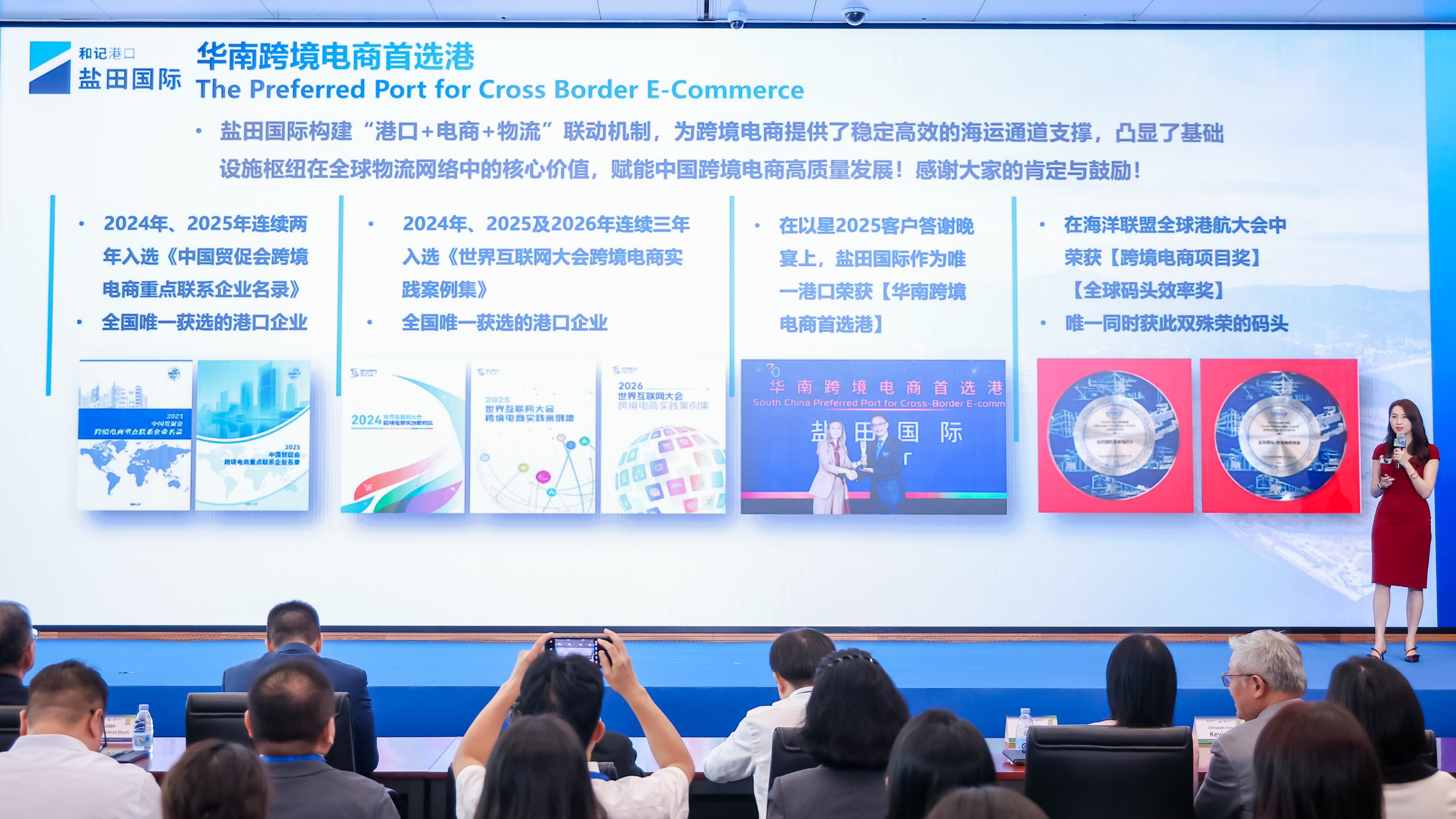
Cross-border e-commerce is another key driver of growth. At a State Council Information Office press conference on October 14, the General Administration of Customs of China reported that China's cross-border e-commerce imports and exports totalled approximately CNY2.18 trillion, up 4.4% year on year. Exports reached around CNY1.75 trillion, an increase of 4.6%. Guangdong and Zhejiang were among the leading sources of export cargoes, while Guangdong and Jiangsu were among the major destinations for imports, underscoring Guangdong's prominent role in cross-border e-commerce. As a preferred port for cross-border e-commerce in South China, YANTIAN benefits from an extensive network of express shipping services for e-commerce cargo and the policy advantages of the Yantian Comprehensive Bonded Zone. Cross-border e-commerce exports through the port have continued to grow in recent years, helping optimise the cargo mix on services to South America. For enterprises tapping into cross-border e-commerce opportunities, YANTIAN offers a direct link to global markets.
On the import side, ZFS also provides specialised refrigerated cargo solutions, enabling premium fresh produce from South America, including fruit and meat, to reach the Chinese market faster and make its way to consumers' tables sooner. Both standard dry containers and refrigerated containers can be transported efficiently through YANTIAN's rail-sea services, ensuring smooth onward distribution from the port to inland markets. Rail-based cold-chain services have also become more flexible. Refrigerated containers can now be dispatched individually, eliminating the need for customers to wait until sufficient cargo has been consolidated. The service network covers key inland cities, including Chongqing, Chengdu, Changsha, Ganzhou, and Nanchang, extending efficient cold-chain logistics to a wider hinterland.
The launch of ZFS further strengthens YANTIAN's network of services to South America. At a time of continued uncertainty in global trade and supply chains, the service offers a more reliable, efficient, and sustainable logistics option, supporting stronger trade links between China and South America.
 Exploring New Opportunities: Connecting YANTIAN Directly to South America's East Coast
 |
| Jian Zheng, Deputy Mayor of the People's Government of Yantian District |
| ZIM and YANTIAN have a long-standing partnership. The launch of the new service establishes a fast, direct shipping link between South China and the east coast of South America. As the world's largest single container terminal by annual throughput and the preferred port of call for mega vessels in South China, Yantian Port handles more than one-third of Guangdong Province's foreign trade cargo and operates around 100 weekly shipping services connecting it to global markets. Choosing Yantian Port means choosing an efficient, reliable, and low-carbon gateway to the world. |
 |
| Alan Coelho de Séllos, Consul General of Brazil in Guangzhou |
| Trade between Brazil and China continues to show strong momentum, reflecting the scale, diversity, and rapid growth of the economic relationship between the two countries. This creates tangible opportunities for enterprises and professionals in both markets. Reliable maritime connections, such as the newly launched ZFS, provide a vital link for turning these opportunities into concrete business outcomes. |
 |
| Eran Epstein, Vice President of Latin America Business Unit of ZIM |
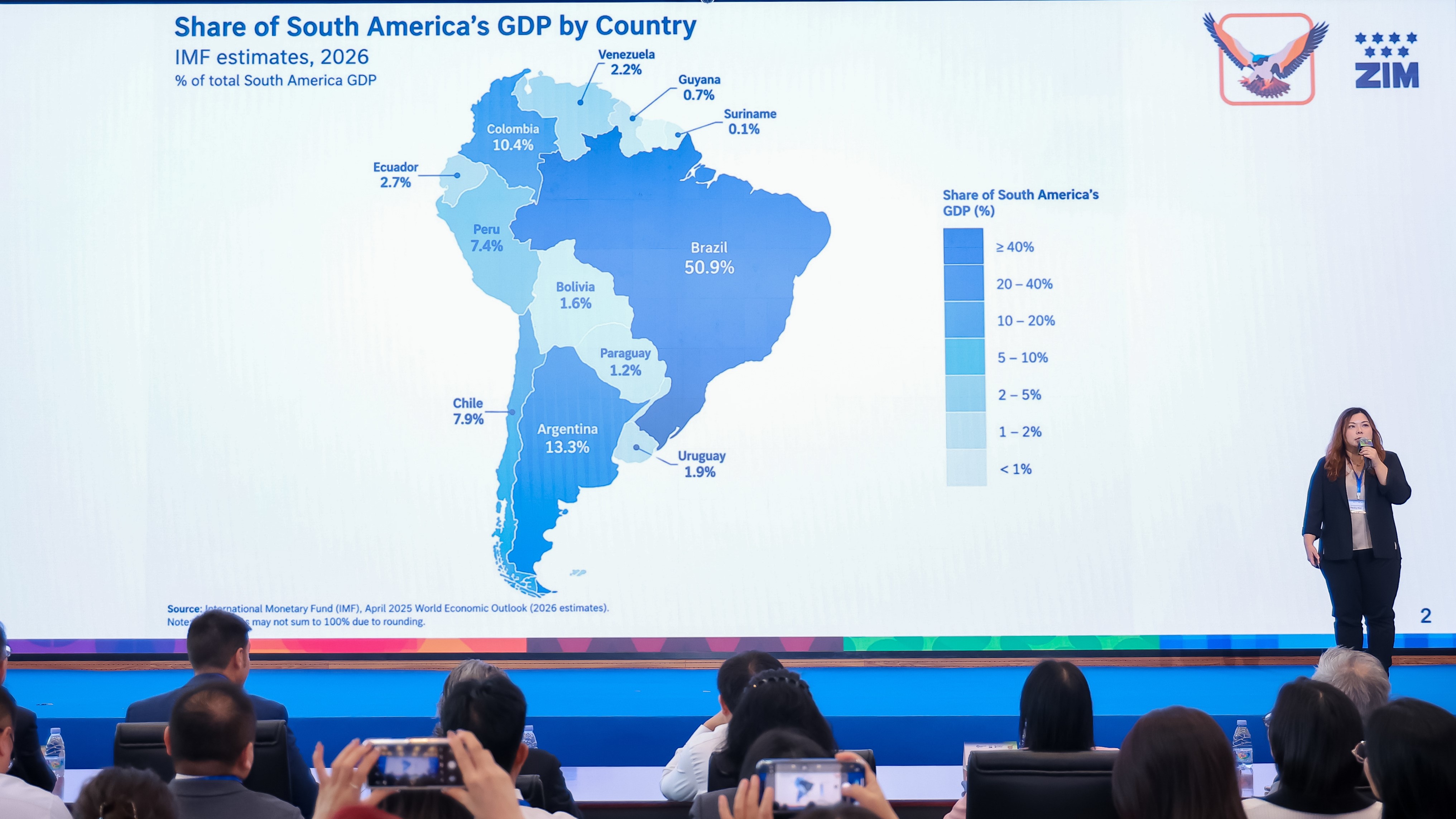
| ZIM creates value for markets and customers through differentiated service offerings. ZFS sails directly from YANTIAN to southern Brazil, bypassing Southeast Asia, and calls at key ports along the east coast of South America, including Rio Grande, Paranaguá, Itajai, and Santos. It also connects with Argentina, Uruguay, and Paraguay, serving markets that collectively account for approximately 55% of South America's cargo volume. |
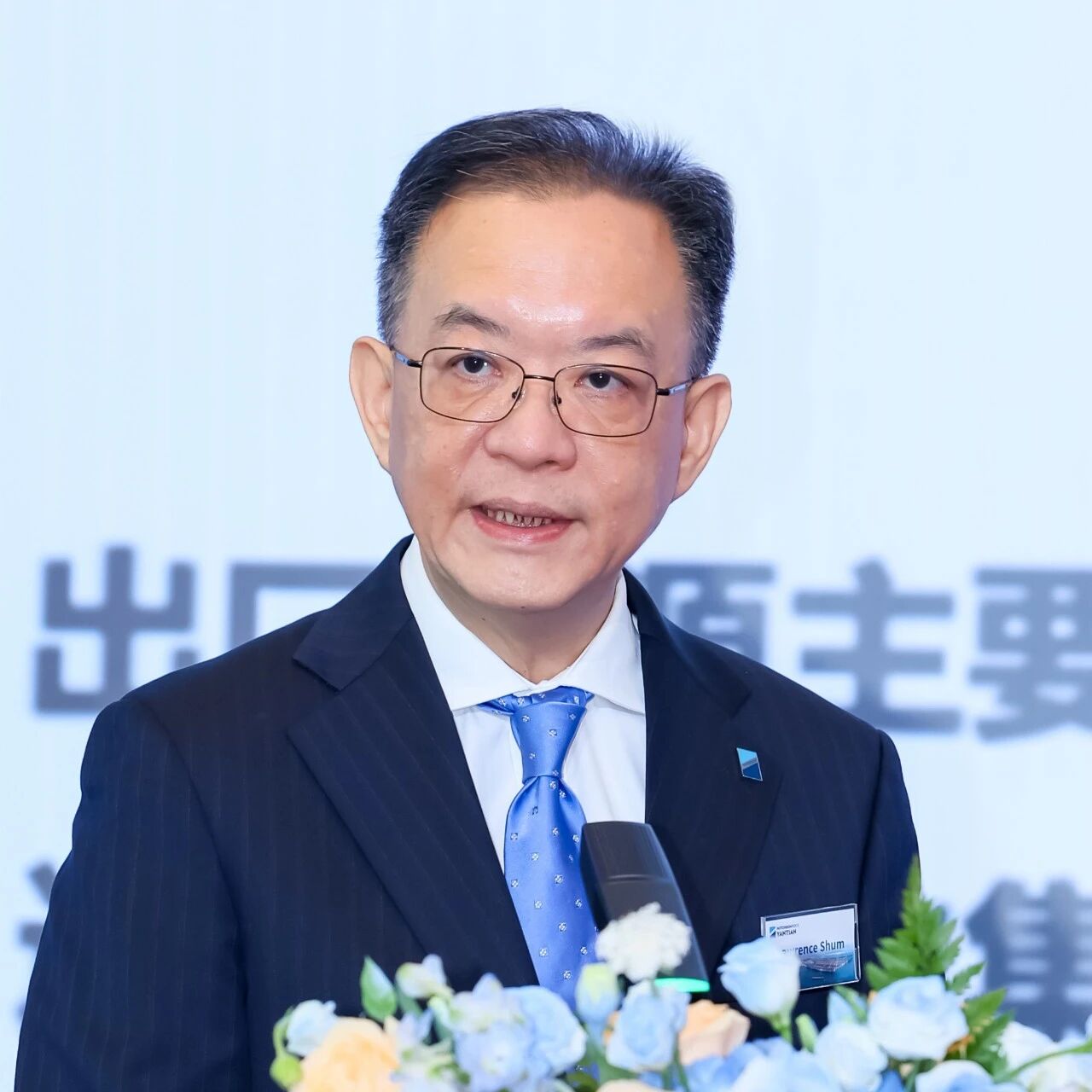 |
| Lawrence Shum, Managing Director of Hutchison Ports YANTIAN |
| ZFS is more than a new shipping service, it is an important bridge for trade and economic cooperation between Asia and South America. YANTIAN will build on its frequent, extensive, shortest, and efficient services, working closely with ZIM and our customers to make ZFS a premium service that delivers lasting value and stands the test of the market. |
Pecky Hui, Trade Director of Latin America Business Unit of ZIM, gave a detailed presentation on the design of ZFS. She highlighted YANTIAN's advantages as the last port of call in Asia, where efficient port operations and a strategic location enable the service to bypass congested ports in Southeast Asia and shorten sailing times to the east coast of South America. The service reaches Itajai in approximately 27 days, Buenos Aires in 29 days, and Montevideo in 30 days from YANTIAN, 7–10 days faster than the market average. By also avoiding congestion in northern Brazil, it can deliver actual time savings of up to 10–14 days, giving customers a faster and more efficient route into South American markets.
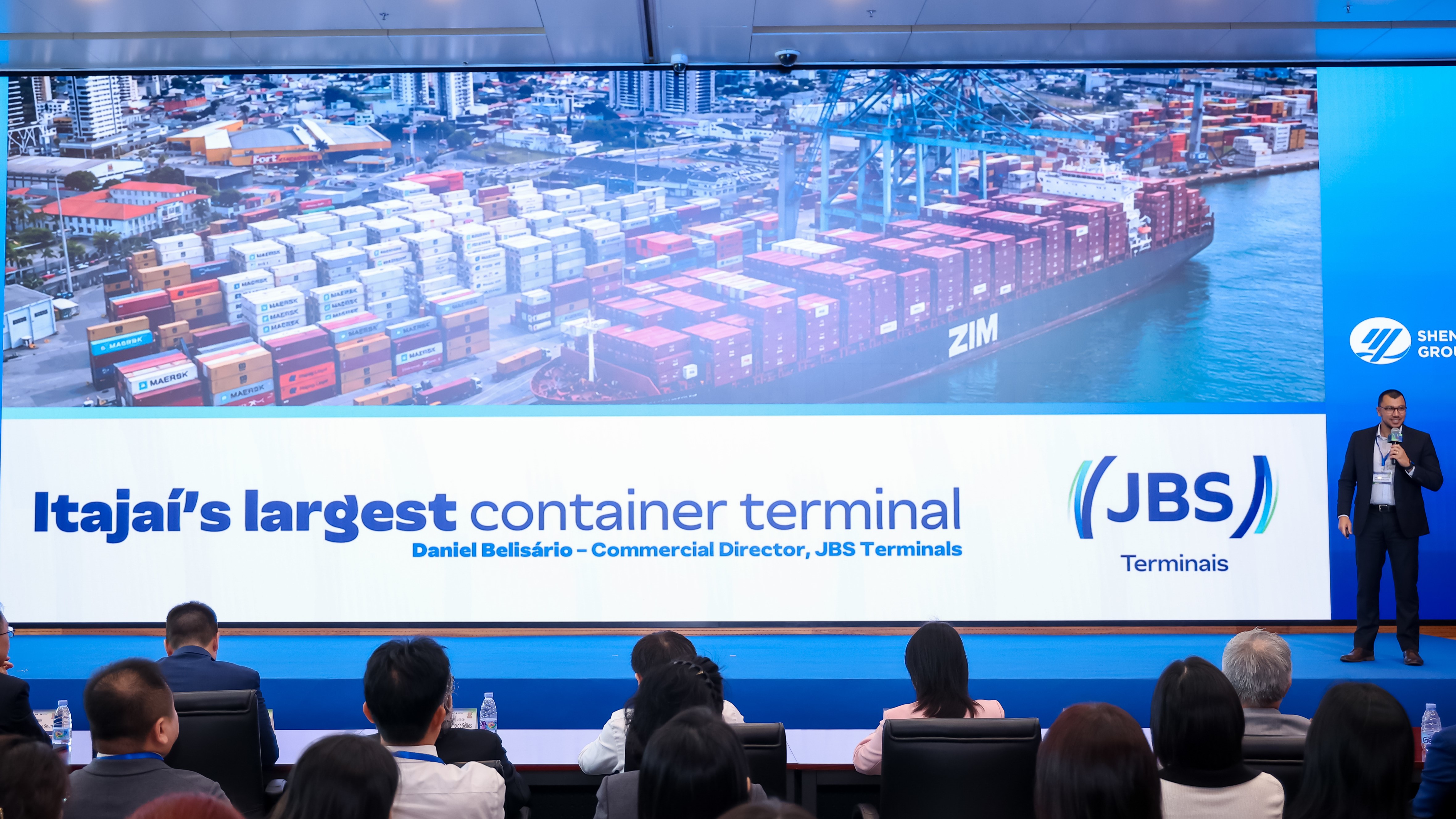
Daniel Belisario, Commercial Director Sales & Customer Experience of Itajai Port (JBS Terminal), highlighted the port's role as a key gateway in Brazil for ZFS. With efficient terminal operations, well-developed cold-chain facilities, and strong cargo handling and distribution capabilities, the port serves southern Brazil and neighbouring markets. JBS Terminal will work closely with ZIM and YANTIAN to streamline coordination between the two ports, reduce uncertainty for customers and enhance supply chain reliability and predictability.
Crystal Pang, Assistant General Manager, Commercial, YANTIAN, outlined how YANTIAN, as the ZFS's last port of call in Asia, efficiently consolidates cargo from the Greater Bay Area and inland regions through an integrated network of rail-sea services, feeder services, and road services. YANTIAN has one of the densest international shipping networks in South China. Through its unique SZ-HK Connect, it integrates the shipping networks of YANTIAN and Hong Kong, giving customers access to around 240 weekly services connecting more than 200 countries and regions.
 |
 |
 |
YANTIAN has consistently made shipping network development a core operational priority. While strengthening its established trunk services to Europe and North America, it continues to expand services to emerging markets like Latin America. At the same time, it is accelerating the development of its multimodal transport network, adding inland ports and terminals to extend its cargo hinterland. The development and commissioning of the East Port will further expand container handling capacity, providing a solid infrastructure foundation for the growth of its shipping services.
Seizing the strategic opportunity of the APEC meetings in Shenzhen, YANTIAN will continue to expand its global shipping network, strengthening supply chain connectivity worldwide and building a higher-standard international shipping hub. The port will contribute to Shenzhen's drive to become a logistics centre with global influence, help consolidate and enhance Hong Kong's position as a leading international maritime hub, and jointly advance the Greater Bay Area's global competitiveness—all while supporting China's dual carbon goals and promoting the high-quality development of international trade.